
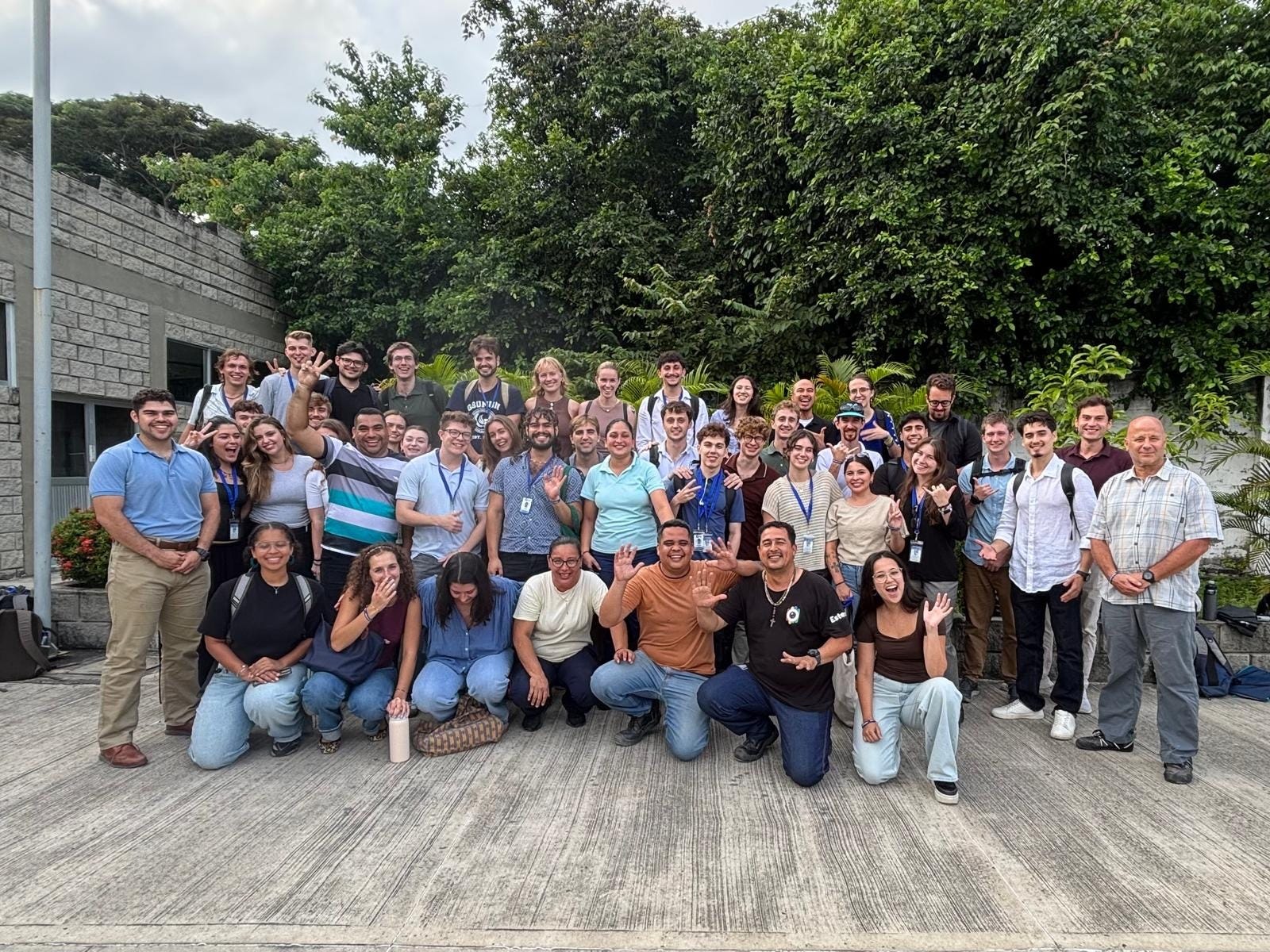
I knew that signing up for Peace Corps Colombia was going to be difficult, but I knew the first three months of training on the sweltering coast would be really tough. All my life, I could deal with a fair amount of heat. Growing up in tropical El Salvador made that relatively easy. When I moved to Florida, I remember going to school in sweaters even though it was 90 degrees every day. My mom would describe stepping out in Florida like stepping out into a heated oven, but for me, it felt like a warm hug.
The first time the heat felt unbearable to me was my sister’s graduation in 2021 in Florida, approximately 4 years after I had moved to Ohio. We traveled down to the Florida Keys to celebrate the first of my siblings to graduate from college. I remember stepping out into that unbearable heat of the Keys and almost crying from how hot it was. I swore then that I would never live in a place so hot in my life again.
When I realized Pre-Service Training (PST) would be on the coast, I knew I had to mentally and physically prepare for the coast’s heat. After hearing anecdotes from previous volunteers, I was scared. When PST began, my fellow PCVs would laugh along when I explained everything I did to prepare for the Peace Corps—hand washing my clothes on a random WFH Friday, or going to the butcher shop to buy chicken only to run away from the sight of a pig's head in the refrigerator. Though all very comical, many of my fellow PCVs thought the things I did to prepare for the heat were especially funny—working in my back porch during the summer to acclimate to the heat, running along the Charles river with a long-sleeve shirt on, running at 3 p.m. in my parents’ neighborhood in Florida. I felt these practices would ensure I would be able to deal with the coast.
When my fellow Peace Corps volunteers and I first stepped out of the plane in Barranquilla, I heard someone say, “Shut the door, there's no more air, only humidity.” Seeing the faces the other PCVs made as we stepped out of the plane was priceless. Many of them were already sweating through their shirts when we got on the bus. Martin kept on passing his water-splashing fan around; Jean sat next to me and said, “I’ve never experienced this type of heat before.”
Our first week felt like a ticking time bomb until reality really set in. We spent that first week in an air-conditioned hotel, letting the sweltering hours pass by. Only until 6 p.m., when we were allowed to leave the hotel, did we begin to realize what our everyday realities would feel like. PCV Adonis and I walked back from the mall, and they had fully sweated through their grey shirt by the time we made it to the hotel.
The day before leaving for our training towns, I texted the volunteer in my training town about my host family. She left me with some very wise words: “Enjoy your last day of AC.”
My fellow PCVs and I got dropped off one by one in our training towns, with many speculating whether the facade of the house meant we could have AC or not. Upon entering my new room, I was relieved to find an AC unit and quickly became disappointed when my host mom said, “It doesn’t work.” Despite wearing my lightest of clothing, just sitting on the dinner table with my host mom talking about house rules had me sweating through my shirt within 30 minutes.
The initial sweating stories continued throughout that first week—PCV Henry questionably wore a full suit to church that Sunday and was drenched by the time church was out. I accidentally broke my fan’s cable and was crying, thinking I would have to sleep one night without a fan, only for my host dad to quickly fix it since it had happened many times.
Like a diligent Peace Corps volunteer, I came prepared to deal with this heat—a solar-powered fan, cooling headbands, a cooling neck band, and a hand fan. On my first day of language and culture, and packed with all my protectors, I took out my most powerful gadget—my solar-powered fan hat found through the one and only TikTok shop. Immediately upon putting it on my head, one of the fans fell and broke in half, leaving me mercilessly hot on our first community walk in the intense heat of Atlántico.
I remember that day as the hottest day I had experienced in my life. The following lunches were completely overwhelming as we found out that typical Colombian lunches’ first dish is hot soup. Here was where my fellow PCVs and I got to gulp our hot soups while we bonded over our experiences in Colombia. Later on, I found out that soup, with its high temperature, helps you cool down from the heat.
My initial days in my town after training were spent in front of the fan in my room, incapable of doing anything but scrolling on my phone—I couldn’t do anything that required mental cognition. I recently read an interesting article that explained that when there is 100% humidity at a certain temperature, the body cannot do anything to cool itself down except to stop all physical movement. Dealing with intense heat is something many of us in the developed world will never experience.
A little less than a week into PST, I was moved from my host family for safety and security reasons to a hotel in search of a new host family and training town. Looking back, that week in the AC hotel was a much-needed break from the heat and the realities of living in rural Colombia.
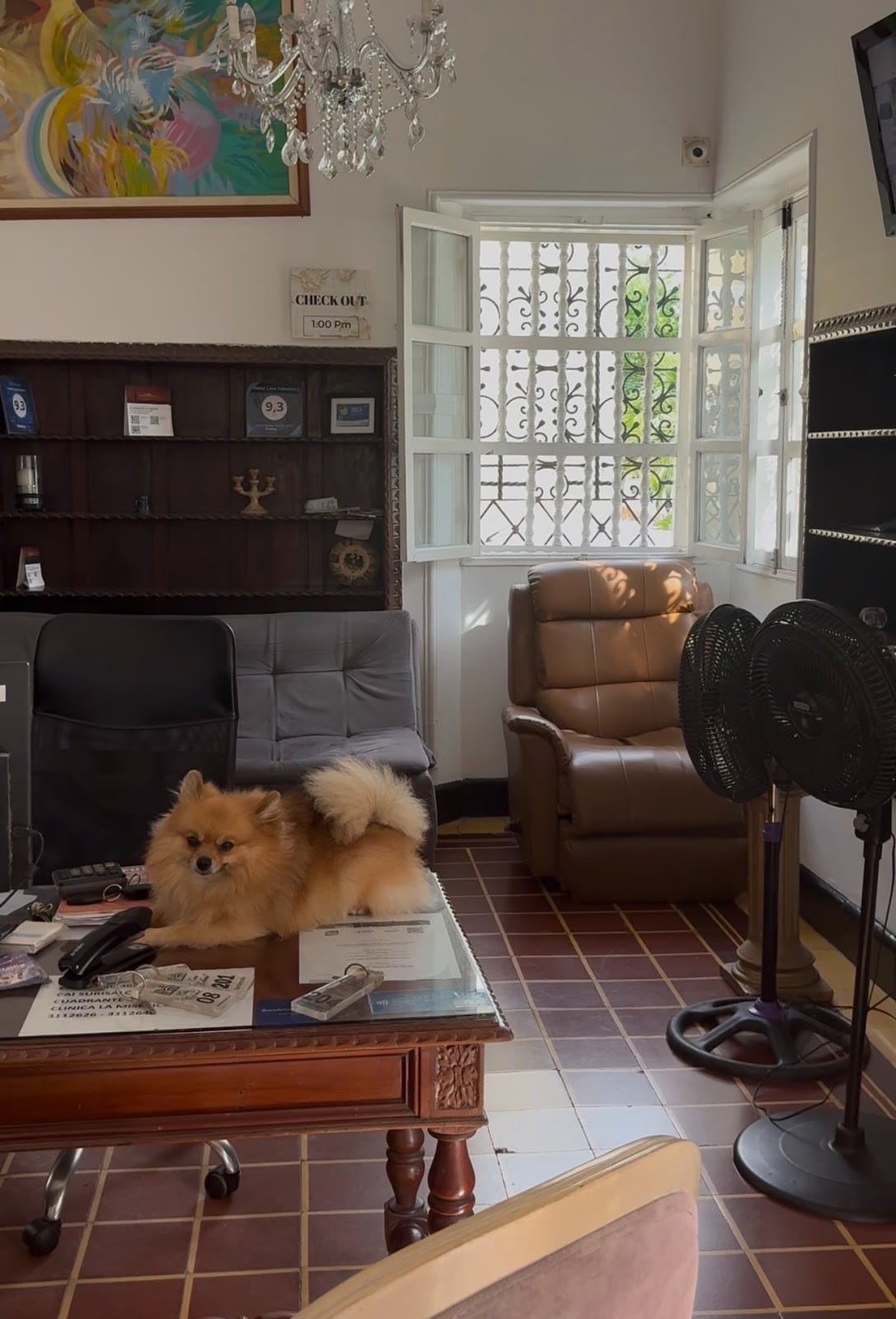
After a week and a half in the hotel, I picked up my bags and met my new host family. Though sad I also didn’t have AC in my room, I was relieved to find out that my host grandma’s and sister’s room had one and I was always welcomed to sleep. There were two beds that could fit up to five people in the room if two people shared the full-size bed, two people shared the full-size mattress on the floor, and one person slept in the twin-size bed. This surplus quickly became a bonding moment with my host family as I took up this offer many times. My host grandma would invite me into the room on weekdays to watch “Desafío,” a reality TV game where people complete challenge courses in teams. While we watched, I would journal and root for Equipo Salmón, my host grandma’s favorite team. My host sister and I did movie nights in the room with her friends, my other host sister, and my host grandma. After a couple of weeks, I began to feel bad about not giving them their space and began to frequent it less often. I would only go into the AC room when I was really tired. The bond remained, however, and two weeks before my time with my host family ended, my host sister asked me if I could sleep in their room before I left.
About three weeks into PST, I decided it was time to get moving from sitting in front of my phone and fan. The PCVs in my pueblo started frequenting a gym called Nutrifitness that had AC and, therefore, was more manageable to get your body moving. Despite the 10 AC units in the gym, I would still be sweating profusely upon finishing my workout. PCV Dani and I started going on Saturdays since there was nothing better to do during the sweltering middle of the day except hang out inside an AC’d gymnasium. We then started going every other day, since my already very heat-damaged hair was too damaged to be washed every day.
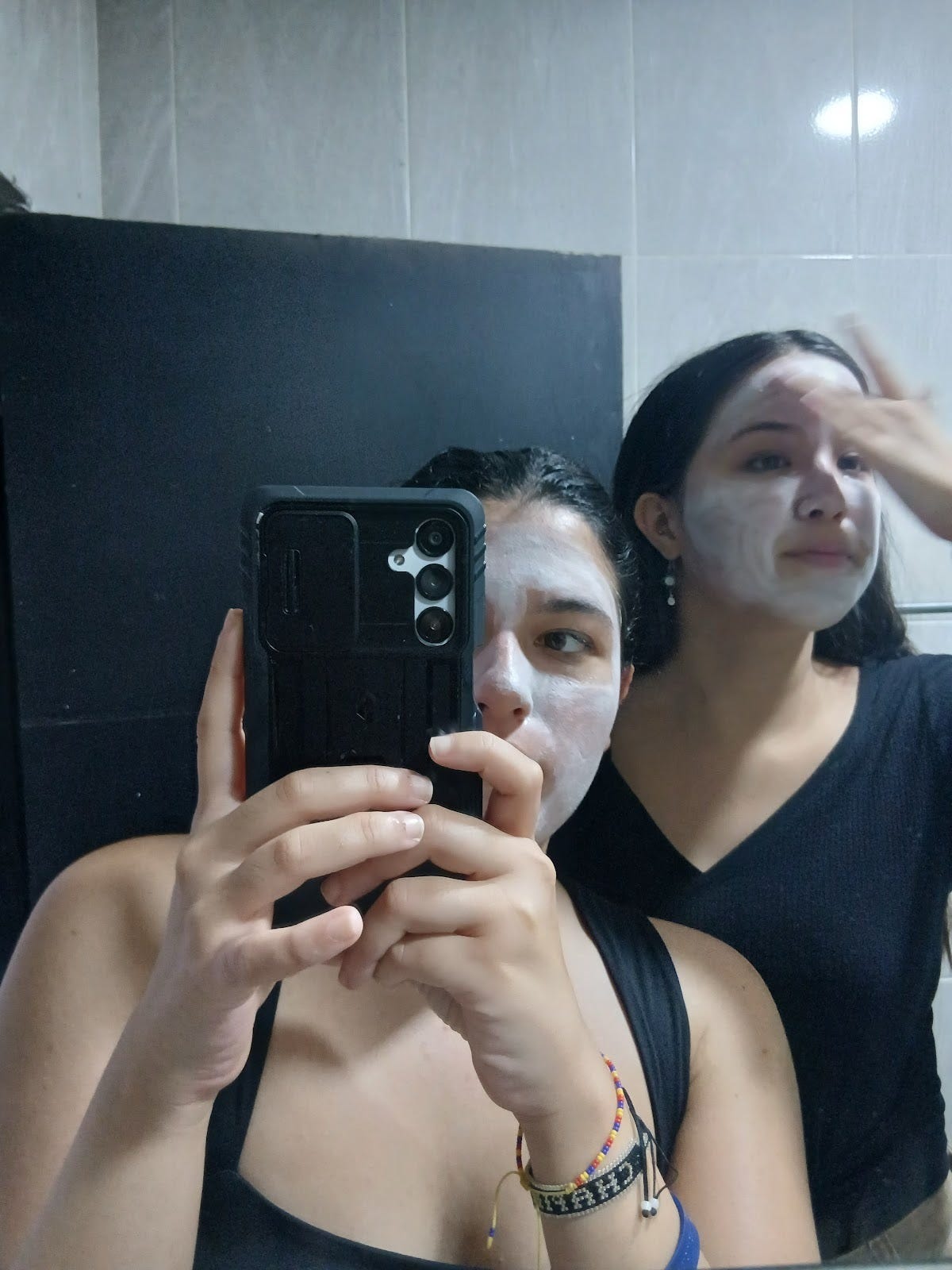
Sometimes I would give myself a chill day, one where it was okay to not be productive in the gym and do some self-care at home instead. This consisted of putting on my Neutrogena face wash, a peppermint face mask, washing all the sweat from my face, and refreshing my pores. This became a ritual of mine, and I would describe this to my friends as similar to the pleasure of an afternoon cigarette. I began inviting Dani to come over and do the same, and “share a cigarette.” My host dad would joke that we were mimes and scared off the thieves from the house. Dani said she thinks he had never seen her without the face mask off.
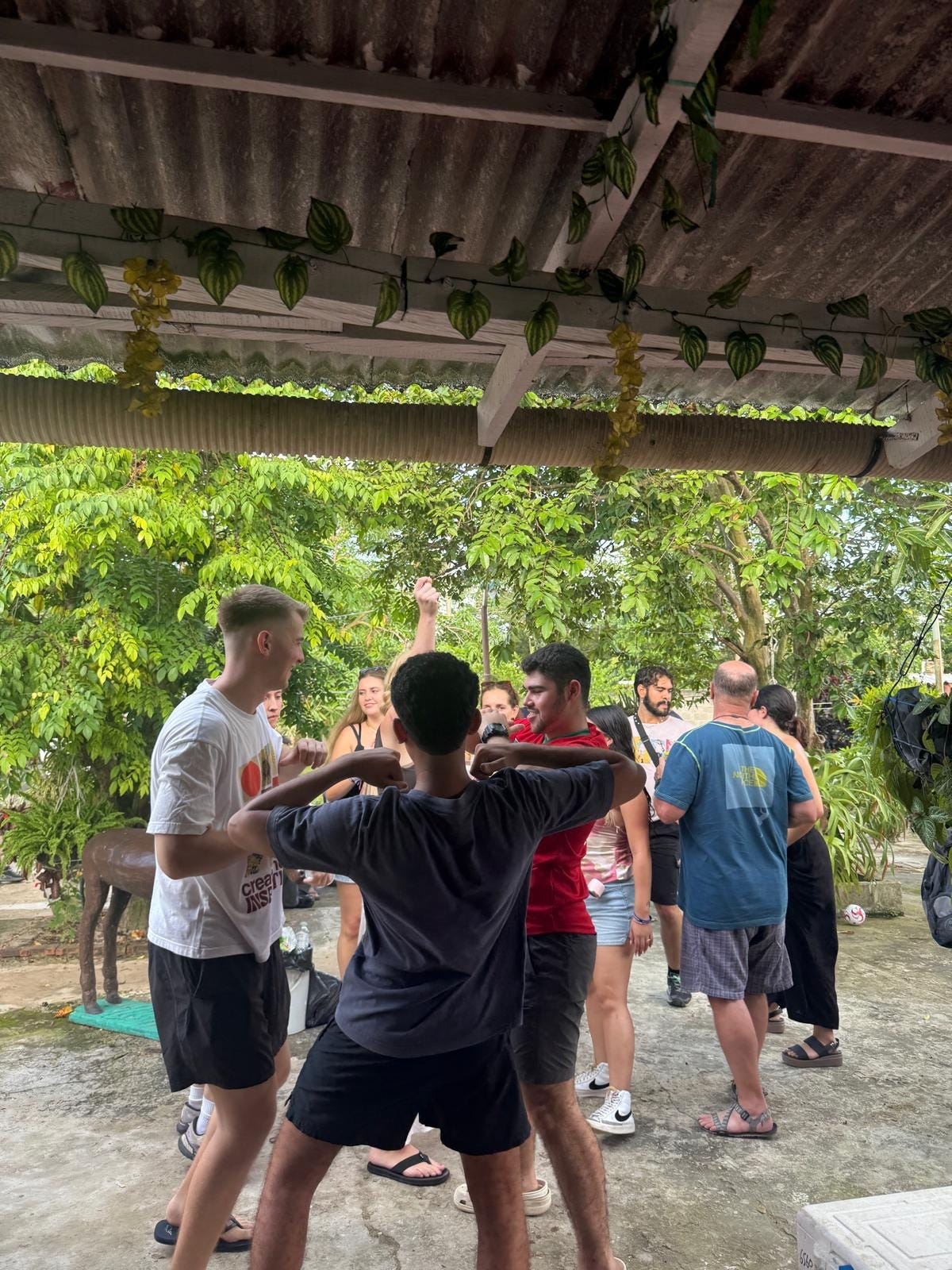
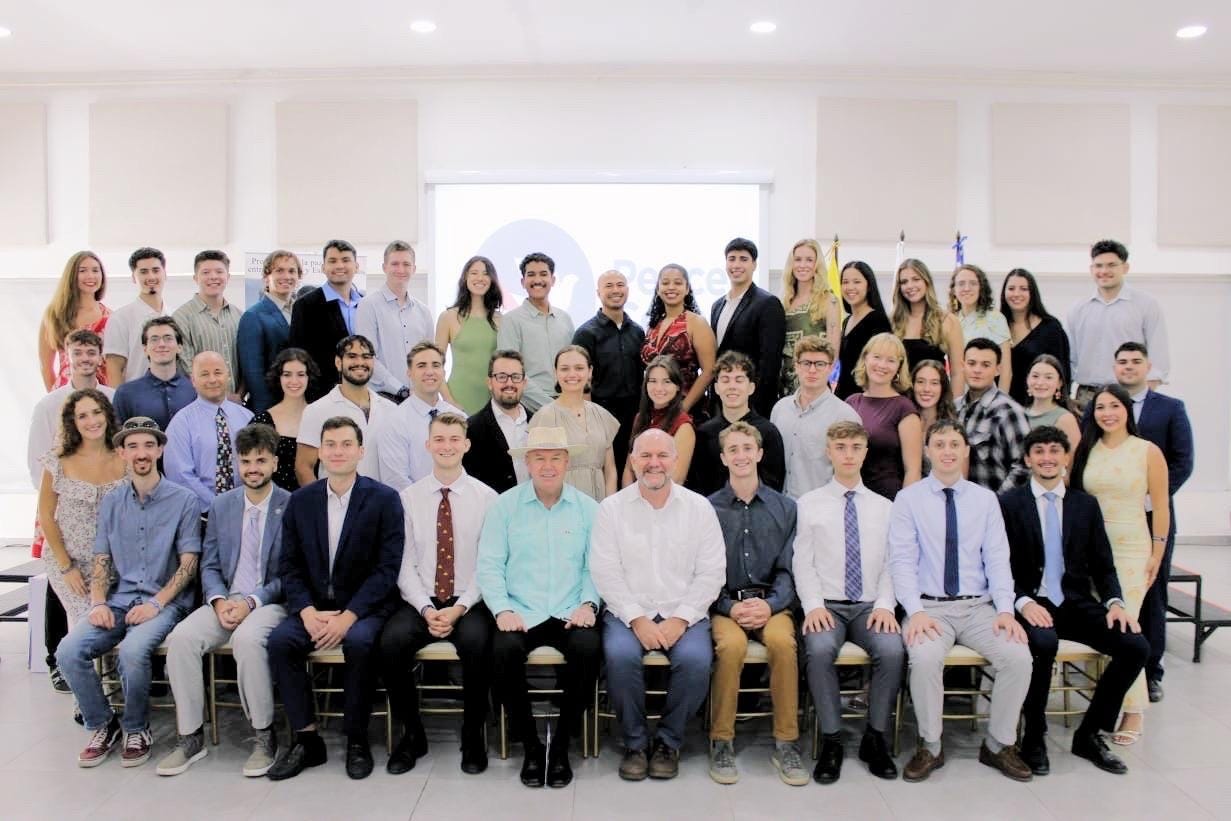
Despite the debilitating heat, our group always seemed to have enough energy to throw a party on a sweltering Saturday afternoon. Almost every Saturday, a generous host family would offer their house to host all 45 volunteers. Because of the strict 6:30 p.m. curfew we have as volunteers, the parties would often start after lunch, the hottest hour of the day. Even the journey to the training town where the party was hosted already had us sweating profusely. Yet, we would arrive, turn up the speakers at full volume, and dance the entire afternoon away. I remember having to constantly wipe myself with paper towels from so much dancing. One thing I will never understand is how this extreme heat can make you want to dance so much.
After three months of living on the coast, my fellow PCVs and I began to mark our accomplishments of defeating the heat. Many of us would be proud if we were capable of putting on a single sheet over us at night. I began to frequent my host grandma’s and sister’s room less. Despite continuing to sweat buckets after long days of training, we somehow still managed to make it to swearing-in with no one quitting for heat-related reasons.
Looking back, my preparations for the coastal heat were warranted; the heat I experienced was no joke. Many of us Andes people were counting down the days until we made it into the mountains. I remember the day my Andes peeps and I stepped out of the airplane and realized the cozy weather we were going to live in. “Oh my god, this is perfect,” I remember PCV Gavin saying.
Now freezing in my bedroom with my hand-warming gadget on me, I remember the heat of the coast, not with defeat, but with a sense of pride. When asked back home about the Peace Corps, I cannot stop talking about how proud I am of my fellow volunteers—the long walks around our pueblos, the long sitting in sweltering offices, the hot soup lunches, the sunburns, how many of us are in even hotter sites. I explain again and again that living without AC is no easy feat and these people did it. But as I look back upon these memories, I realize I found a different way of living where we embraced warmth, community, and, of course, lots of sweaty dancing.
I decided to go to the Carnaval in Barranquilla after hearing about it so much in my childhood and throughout PST. I had a conversation with a past volunteer about her visit to Carnaval. I had mentioned how nervous I was about returning after months of living in the cold mountains. She mentioned that she felt the same way. Fortunately, it’s breezy season in Barranquilla during Carnaval, and it was not as shocking as she thought it would be.
Despite her advice, I was still very nervous about going and mentally prepared myself to experience the heat again. I brought the clothes that had helped me manage the heat the best and the gadgets I still had on me.
The poster boards outside of the airport no longer had the same advertisement as they did back in August; this time, they welcomed me to the Carnaval de Barranquilla. Thankfully, I understood what the volunteer meant by the breeze. Upon re-entering my host family’s house, we sat in the same house where I sweated profusely for months, this time catching up on my new site. Through the countless hours I sat in parades and danced through the heat, it no longer felt like a feat to get through, but the warm hug of something familiar.
Disclaimer: The content of this publication was generated by individual Volunteers. The opinions and thoughts expressed here do not reflect any position of the United States government or the Peace Corps.
Your hat!! So iconic, love the shout-out to the heat!